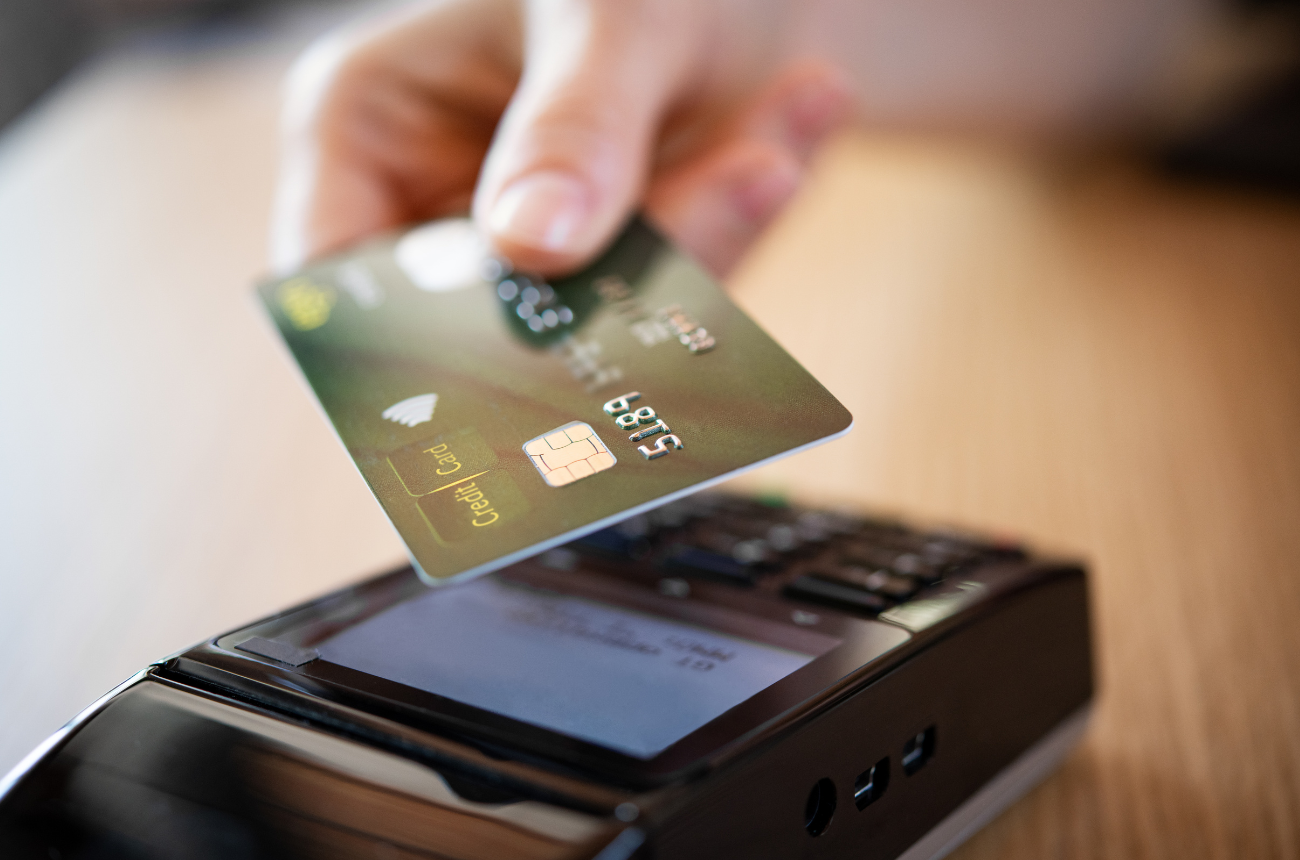
A telehealth appointment may look almost identical to an in-person visit from the provider's perspective, but the payment transaction can be very different.
When a patient visits a clinic, they may insert, tap, or swipe a card at the front desk. With telehealth, there is no physical terminal interaction. The patient may pay through an online portal, payment link, stored card, or another remote payment method.
That moves the transaction into the card-not-present (CNP) category.
For practices, this matters because card-not-present telehealth payments can carry different interchange and processing costs, different fraud considerations, and different liability rules than card-present transactions.
The important point is not that telehealth payments are inherently problematic. It is that the payment method needs to accurately reflect how the transaction actually occurs.
As Cerbo | OptiMantra’s Head of Payments, Bart Phelps', warning put it:
"Underwrite as card-present, process as CNP - that is misrepresentation."
For specialty practices expanding telehealth, understanding that distinction can prevent unpleasant surprises during payment underwriting, processor reviews, or account audits.
Why Telehealth Changed the Payment Transaction
Telehealth changed where healthcare encounters happen.
The patient might be sitting at home. The provider might be working from a private office or another approved location. The clinical interaction takes place remotely, and the financial transaction often follows the same pattern.
Instead of:
Patient → front desk → physical terminal → card
the workflow may look like:
Patient → online appointment → telehealth visit → online payment → card-not-present transaction
The payment system has less direct evidence that the cardholder is physically present because there is no physical card interaction at the merchant's terminal. That changes the processor's risk calculation. It can also change the cost.
What Are Card-Not-Present Telehealth Payments?
Card-not-present telehealth payments are transactions where the cardholder and physical payment card are not present at the merchant's payment terminal when the payment is processed.
Common examples include:
- A patient pays through an online patient portal.
- A practice sends a payment link after a telehealth appointment.
- A stored card is charged remotely.
- A patient enters card information into an online checkout.
- A practice collects payment remotely for a virtual consultation.
The specific transaction type and rate depend on the payment technology, card network rules, processor, merchant agreement, authentication method, and other factors.
The key distinction is physical card interaction. If the patient is not physically presenting the card to a compatible terminal, the practice should not assume the transaction qualifies for card-present treatment simply because the patient is an established patient.
CNP vs. Card-Present Rates: Why the Difference Exists
Card-present and card-not-present transactions are not priced identically because they have different risk characteristics.
With a card-present transaction, the payment environment can capture information associated with physical card interaction. Depending on the terminal and transaction method, this may include chip or contactless authentication.
With a card-not-present transaction, that physical interaction is missing. That can increase certain types of fraud exposure.
Payment pricing reflects a variety of factors, so there is no single universal "CNP rate." A practice's costs can depend on its processor, card mix, transaction method, merchant category, volume, negotiated pricing, network fees, and other variables.
Still, the general principle is straightforward:
Removing the physical card interaction can change the economics of the transaction.
For a practice that moves a significant portion of its appointments online, even a small difference in processing costs can become noticeable over time.
A Simple Example
Imagine a specialty practice that previously collected most payments at checkout. Patients arrived for appointments, checked in, received care, and paid using a physical terminal. Now the practice moves a large portion of appointments to telehealth.
Patients may pay through:
- A patient portal
- An online checkout
- A payment link
- A card stored in the system
The practice has not necessarily changed its prices. But it has changed how many transactions are being presented to the payment network. That can change the practice's processing profile.
Telehealth Also Changes Fraud Liability
Cost is only one part of the equation. Fraud liability matters too.
When a card is physically presented and processed through an appropriate terminal, the transaction may benefit from authentication mechanisms associated with card-present processing.
A remote transaction does not have the same physical card interaction. That can make certain disputes more difficult for a merchant to defend.
For healthcare practices, this can be especially relevant when services are:
- High value
- Recurring
- Paid in advance
- Packaged into memberships
- Delivered remotely
- Associated with multiple transactions over time
A patient may recognize the practice but still dispute a particular transaction.
The practice then needs records showing what was purchased, when it was purchased, how the patient authorized the transaction, and what services were provided.
Documentation Becomes Part of the Payment Workflow
Clinical documentation and payment documentation serve different purposes, but they can intersect when a transaction is disputed.
For example, a practice may need to distinguish between:
Clinical record: The provider documented the telehealth encounter and treatment.
Payment record: The patient authorized a particular charge under the applicable payment method.
Business record: The practice's terms explained what the patient was purchasing, when payment would occur, and what the cancellation or refund policy was.
A strong clinical note does not automatically prove that a particular payment was authorized. Likewise, a payment receipt does not replace appropriate clinical documentation. The systems supporting both sides of the workflow should remain organized.
The Underwriting Trap: Card-Present vs. Card-Not-Present
One of the most important issues for practices moving toward telehealth is making sure the payment model disclosed during underwriting matches the transactions the practice actually processes.
This is where the Bart Phelps' warning is especially relevant:
"Underwrite as card-present, process as CNP — that is misrepresentation."
The underlying issue is accuracy.
Suppose a practice tells a payment provider that most transactions will be card-present because patients normally pay at the front desk. Later, the practice shifts a large percentage of its business to telehealth and begins collecting those payments remotely.
If the merchant continues processing those transactions in a way that does not match the approved business model, the processor may view the discrepancy as significant. The practice should not assume that a transaction is acceptable simply because the same cardholder has previously visited the office. Physical card presence is about the transaction itself.
Why This Can Become a Bigger Problem Than a Higher Rate
A practice may initially focus on CNP pricing. While that is understandable, the bigger issue can be account compliance. Payment processors underwrite merchants based on information about the business, its products or services, transaction patterns, expected volumes, and payment methods. If the actual activity materially differs from what was disclosed, the processor may have questions.
Depending on the agreement and circumstances, that can result in:
- Additional underwriting
- Requests for documentation
- Changes to processing terms
- Reserves or other risk controls
- Transaction restrictions
- Account review or termination
The exact consequences vary by provider and agreement. The lesson is simple: tell the processor how you actually take payments.
Telehealth Does Not Automatically Mean Every Payment Is CNP
There is an important nuance here. "Telehealth" describes the healthcare encounter. "Card-not-present" describes the payment transaction. They are related, but they are not identical concepts.
A patient could have a telehealth appointment and later visit the office to make a payment at a physical terminal. A patient could have an in-person appointment but receive a payment link afterward and pay remotely.
The payment method determines the transaction classification, not simply whether the clinical encounter happened virtually. That distinction is useful when practices design their workflows.
Why Specialized Practices Need to Pay Attention
CNP telehealth payments can be particularly relevant for specialty practices because many operate with payment models that go beyond a simple office visit.
Consider a functional medicine practice offering a multi-month program.
The program might include:
- Initial consultation
- Follow-up telehealth visits
- Laboratory testing
- Patient messaging
- Care planning
- Recurring membership payments
A med spa may offer a prepaid package with virtual consultations or follow-up care. A DPC practice may collect recurring membership fees while some patient interactions occur remotely. A naturopathic or integrative practice may combine virtual consultations with cash-pay treatment programs.
In each case, remote payment can become a meaningful portion of total transaction volume. That makes the CNP classification more than a technical payment detail. It becomes part of the practice's financial planning.
Recurring Telehealth Payments Add Another Layer
Recurring billing deserves particular attention. A practice may have a patient authorize a payment method once and then charge that payment method on a recurring basis. This can simplify administration, but it also creates another area where patient expectations need to be clear.
Patients should understand:
- What they are purchasing
- How much they will be charged
- How often they will be charged
- When recurring billing begins
- How cancellation works
- What happens to unused services
- Whether refunds are available
These details can reduce confusion and make disputes easier to address. They also give the practice a clearer operational record.
Don't Let Convenience Create Ambiguity
A stored card can make payment collection easier. It should not make the transaction invisible to the patient.
For telehealth programs, practices should make sure payment terms are presented clearly and consistently across the patient-facing workflow. That is especially important for memberships, packages, subscriptions, and multi-visit programs.
Telehealth Payment Compliance Is Broader Than HIPAA
Another common mistake is treating payment compliance as purely a healthcare privacy issue. HIPAA and payment-card requirements address different areas.
A telehealth practice may have obligations involving:
- HIPAA and patient privacy
- State telehealth requirements
- Payment-card security
- Payment processor requirements
- Card-network rules
- Consumer protection requirements
- Recurring-payment requirements
- Applicable billing regulations
The exact obligations depend on the practice's structure and payment setup. Practices should also be careful about assuming that a payment platform's marketing language means the practice is automatically compliant with every requirement that applies to it. Payment security is a shared operational responsibility.
How Practices Can Reduce Payment Confusion
The goal is not to avoid CNP transactions. For a telehealth practice, they may be unavoidable and entirely appropriate. The goal is to understand what the practice is actually processing.
Start With the Patient's Payment Journey
Map the transaction from beginning to end.
For example:
Appointment booked → patient receives telehealth instructions → patient enters payment information → visit occurs → payment is captured
Then ask:
- Where is the card entered?
- Is a physical terminal involved?
- Is the payment captured immediately or later?
- Is the card stored?
- Is the transaction recurring?
- What receipt does the patient receive?
- What records are retained?
The answers help define the actual payment workflow.
Tell Your Processor What Changed
If a practice has moved from mostly in-office payments to predominantly online telehealth payments, that is worth discussing with the payment provider.
The processor may need updated information about:
- Expected CNP volume
- Average transaction size
- Recurring billing
- Payment technology
- Business model
- Telehealth service mix
Do not assume the original merchant application remains perfectly accurate forever. Businesses change. Payment underwriting should reflect those changes.
Practical Checklist for Card-Not-Present Telehealth Payments
Before expanding telehealth payment collection, review these areas:
Payment classification
- Identify which transactions are card-present.
- Identify which transactions are card-not-present.
- Confirm that the processing method matches the actual transaction.
- Understand how your processor prices each transaction type.
Underwriting
- Review what payment methods were disclosed when the account was opened.
- Tell the processor if telehealth has materially changed your payment mix.
- Confirm that your merchant agreement permits your current payment workflow.
- Keep your website and merchant application consistent.
Patient experience
- Clearly explain charges before payment.
- Provide receipts.
- Clearly disclose recurring charges.
- Make cancellation and refund policies accessible.
- Keep patient-facing payment information consistent.
Documentation
- Maintain appropriate clinical records.
- Retain payment records.
- Document package and membership terms.
- Keep evidence of patient authorization where appropriate.
- Maintain records needed to investigate disputes.
These steps will not eliminate CNP fees or fraud risk. They can make the practice's payment operation much easier to understand and manage.
Build the Payment Workflow Around What Actually Happens
OptiMantra combines EHR and practice management capabilities to help specialty practices manage clinical, administrative, and payment workflows in one system. Key features relevant to telehealth payment workflows include:
- Integrated Payments: Supports Fiserv and Authorize.net integrations, allowing practices to manage payments alongside patient and practice operations.
- Scheduling and Online Appointments: Enables appointment management and online booking to help coordinate virtual visits and related administrative tasks.
- Patient Portal and Messaging: Provides tools to communicate with patients about appointments, payments, and other practice processes.
- Clinical Documentation: Customizable charting supports telehealth encounter documentation and organized patient records within the EHR.
- Memberships and Packages: Supports recurring memberships and prepaid service packages, helping practices manage program billing alongside patient-management workflows.
If you are looking for a practice-management platform that can connect scheduling, patient workflows, documentation, payments, and other operational processes, explore OptiMantra's capabilities through a demo or free trial.
Disclaimer: This article is for informational purposes only and does not constitute legal, financial, or compliance advice. Practices should consult their payment processor and qualified professionals to confirm applicable requirements.